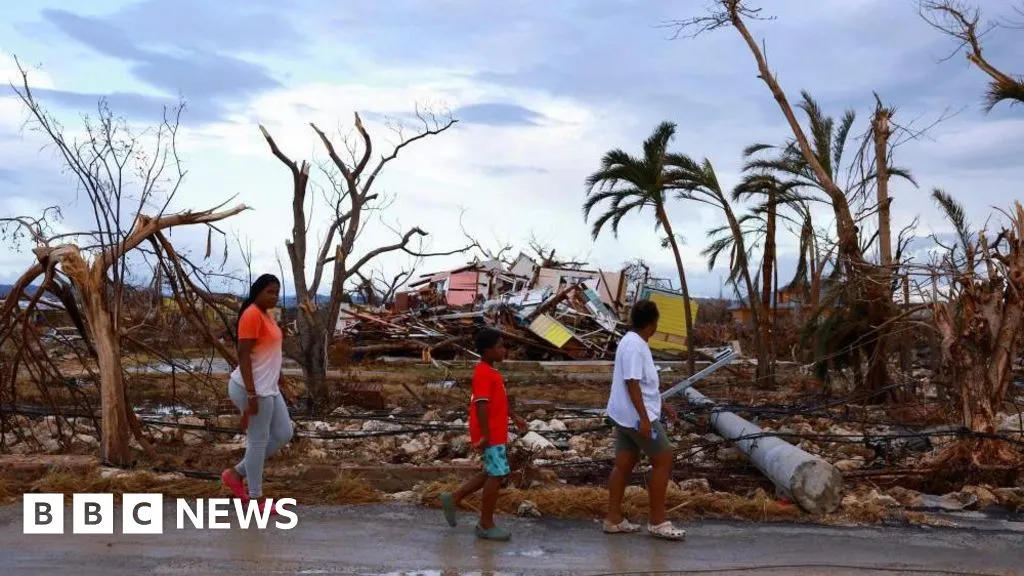
As communities brace for the unpredictable fury of the ocean, the interplay between rising global temperatures and the formation of tropical storms takes center stage. The 2026 Atlantic hurricane season is anticipated to be quieter than average, with forecasts from the National Oceanic and Atmospheric Administration (NOAA) predicting between three to six hurricanes from June to November, contrasting sharply with the average of seven storms. Yet, even amidst this seemingly calm outlook, scientists warn that the severe impacts of climate change loom over the world's tropical cyclones.
The Mechanics of Storm Formation
Hurricanes, typhoons, and cyclones—collectively known as tropical cyclones—are powerful storms that originate in warm tropical ocean waters. These meteorological phenomena are characterized by intense wind speeds, torrential rain, and perilous storm surges which can lead to catastrophic flooding and widespread destruction.
For a tropical cyclone to form, certain conditions must align. Typically, a disturbance such as a tropical wave or low-pressure area initiates the process. Warm, moist air rises from the ocean's surface, causing winds to begin swirling. This phenomenon is intricately tied to Earth’s rotation, particularly in the tropical regions. Crucially, sea temperatures must hover around 27°C to provide the necessary energy for development. If successful, a powerful hurricane may emerge, though the specific drivers behind each storm remain complex and varied.
The Rising Threat of Increasing Intensity
While the overall frequency of tropical cyclones has not increased dramatically over the past century, there is compelling evidence suggesting that the intensity of these storms is on the rise. According to the Intergovernmental Panel on Climate Change (IPCC), a higher proportion of tropical cyclones have reached Category 3 or above over the last four decades, signifying an escalation in wind speeds. Additionally, the past few years have experienced an increase in the frequency and magnitude of rapid intensification events. For instance, events such as Hurricane Harvey in 2017, which stalled over Houston and unleashed historic rainfall, underscore the increased risks posed by these powerful storms. 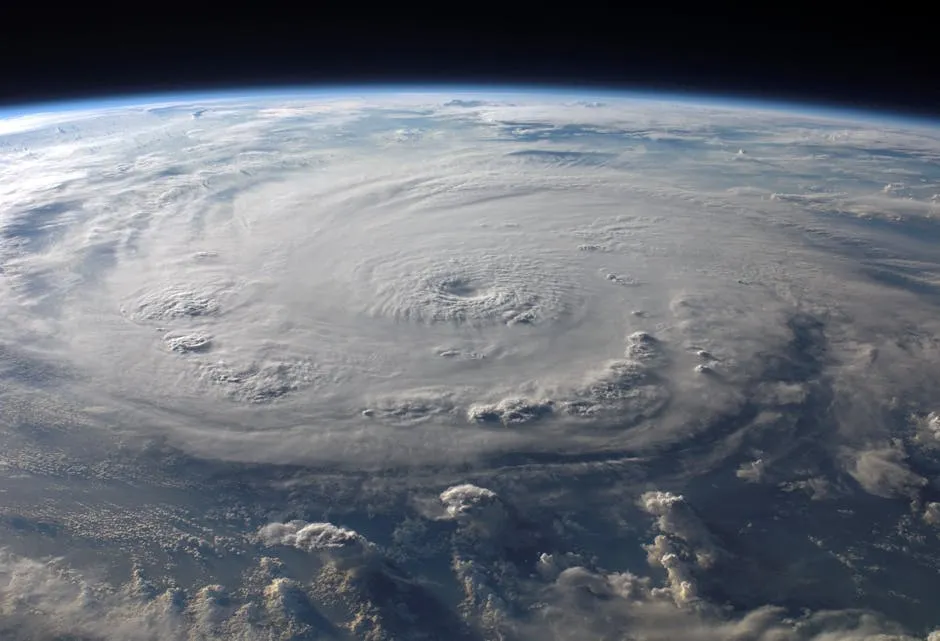
Climate Change: A Catalyst for Storm Intensity
The influence of climate change on the behavior of hurricanes and typhoons is multifaceted. Warmer ocean waters, a direct result of anthropogenic climate change, provide storms with greater energy to fuel their development. Recent studies estimate that maximum wind speeds of hurricanes between 2019 and 2023 were bolstered by approximately 19 mph (30 km/h) due to this ocean warming.
Moreover, the capacity of a warmer atmosphere to retain moisture leads to more intense rainfall during storms. In fact, it has been estimated that climate change rendered the extreme precipitation associated with Hurricane Harvey three times more likely. Sea-level rise, driven by climate change, further complicates the scenario, increasing the risk of storm surges and coastal flooding.
A Vigilant Future
While the 2026 hurricane season appears to be set for a reprieve in frequency, the potential for devastating storms remains a critical concern. As the El Niño weather pattern evolves over the coming months, its effects may disrupt storm activity in the Atlantic, yet invigorate conditions for storms in the Pacific. The nuanced changes in weather patterns driven by climate change necessitate ongoing vigilance as communities worldwide grapple with the growing challenges posed by these natural adversaries.
In conclusion, understanding the formation of hurricanes and typhoons and their relationship with climate change is paramount as we navigate a future increasingly influenced by shifting environmental conditions.
Source: BBC Science