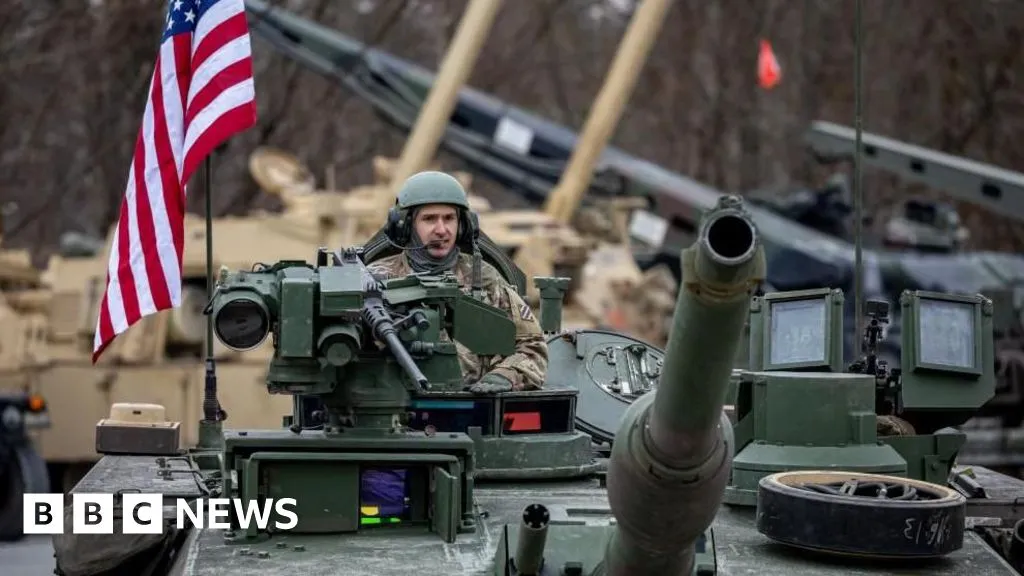
The ongoing military exchange between the United States and Iran has escalated into a full-fledged conflict across the Middle East, marking the second consecutive day of retaliatory strikes. This resurgence of hostilities threatens to unravel a tenuous ceasefire established just months ago in April.
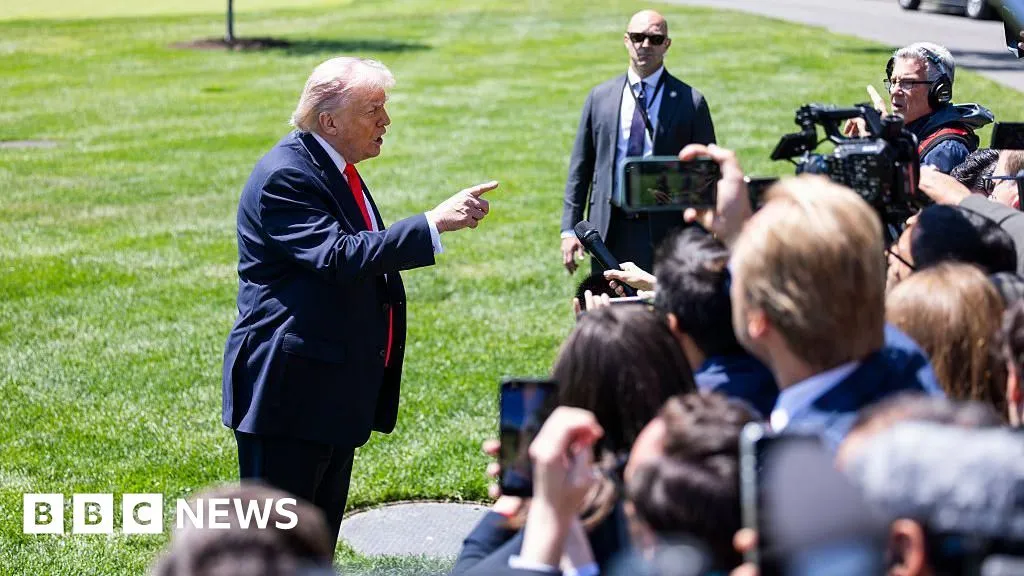
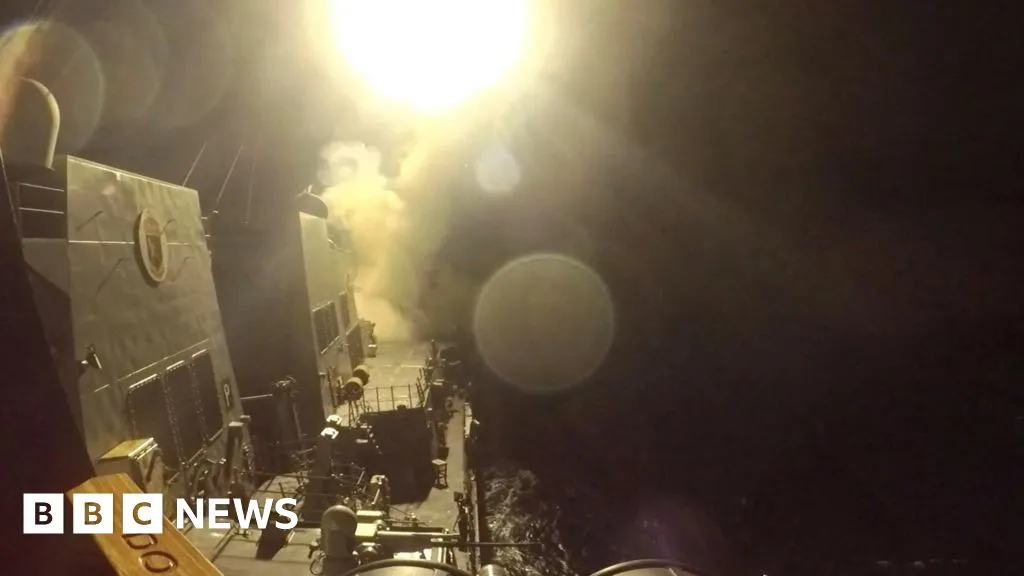
U.S. Central Command reported a series of “self-defense strikes” targeting military and tactical sites in southern Iran. This operation coincided with President Donald Trump’s stern warning that American forces would respond “hard” to Iranian provocations, criticizing Tehran for taking too long to negotiate a lasting peace.
In retaliation, Iranian forces launched coordinated strikes against U.S. military installations across the region, including attacks on bases in Kuwait and Bahrain. Additionally, the Islamic Revolutionary Guard Corps (IRGC) claimed to have fired ballistic missiles at a U.S. command center in Jordan, asserting that they successfully destroyed numerous American fighter jets—claims that remain unverified.
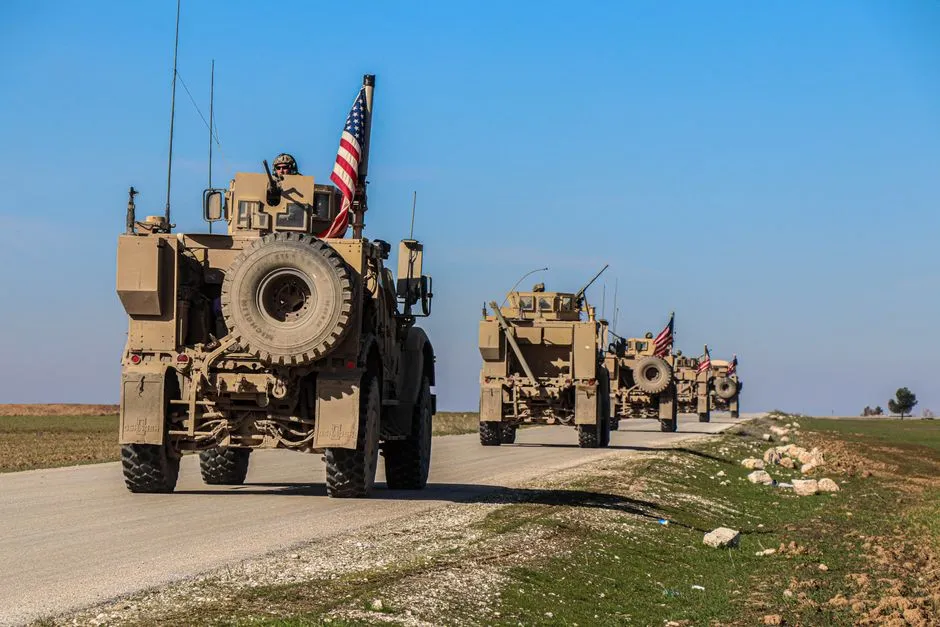
In an alarming development, commercial air raid sirens sounded in Bahrain, while Kuwait's military stated that its air defense systems intercepted what were described as hostile aerial threats. Consequently, Kuwait temporarily closed its airspace to protect against ongoing Iranian offensives.
The tension has also seeped into maritime activity, with the IRGC announcing strikes on two oil tankers traversing the strategically vital Strait of Hormuz. Although Iranian state media declared the strait “completely closed” to all vessels, U.S. Central Command refuted this, indicating that commercial shipping continued unaffected.
Oil prices surged in response to the shifting dynamics, with Brent crude—a global benchmark—rising to approximately $95 per barrel, an uptick of about 2%.
Trump echoed his position on social media, reiterating that the United States would continue its military actions until a satisfactory agreement is reached. U.S. Defense Secretary Pete Hegseth emphasized that opportunities for diplomacy had been extended to Iran but consistently rejected.
In stark contrast, Iranian President Masoud Pezeshkian reaffirmed his country’s resolve to withstand what he characterized as aggression. Earlier, the Iranian foreign ministry accused the U.S. of undermining diplomatic channels through contradictory communications.
The ceasefire, initially brokered in April, was meant to foster stability but has since devolved into sporadic exchanges of fire. Efforts to mediate negotiations between Washington and Tehran are faltering, as evidenced by recent attacks—including the downing of a U.S. military helicopter believed to be a result of Iranian action.
UN Secretary-General António Guterres warned that the region is “being pulled deeper into crisis,” suggesting that the ceasefire is increasingly nominal. He urged all parties to avoid further aggression and refocus on diplomatic resolutions.
The escalating conflict between the U.S. and Iran poses significant risks not only to the immediate region but also to global stability, as both nations stand at a crossroads between confrontation and diplomacy.
Source: BBC World News