As the specter of war looms, U.S. President Donald Trump has expressed optimism that the ongoing military confrontation with Iran can end swiftly, while Tehran weighs a pivotal 14-point proposal from Washington aimed at resolving the conflict.
In a bid to broker peace, Pakistani officials have positioned themselves as mediators in discussions between the two nations. Islamabad's Foreign Minister has stated, "We are endeavoring to convert this ceasefire into a permanent end to this war," signaling a tangible effort to stabilize an increasingly volatile region.
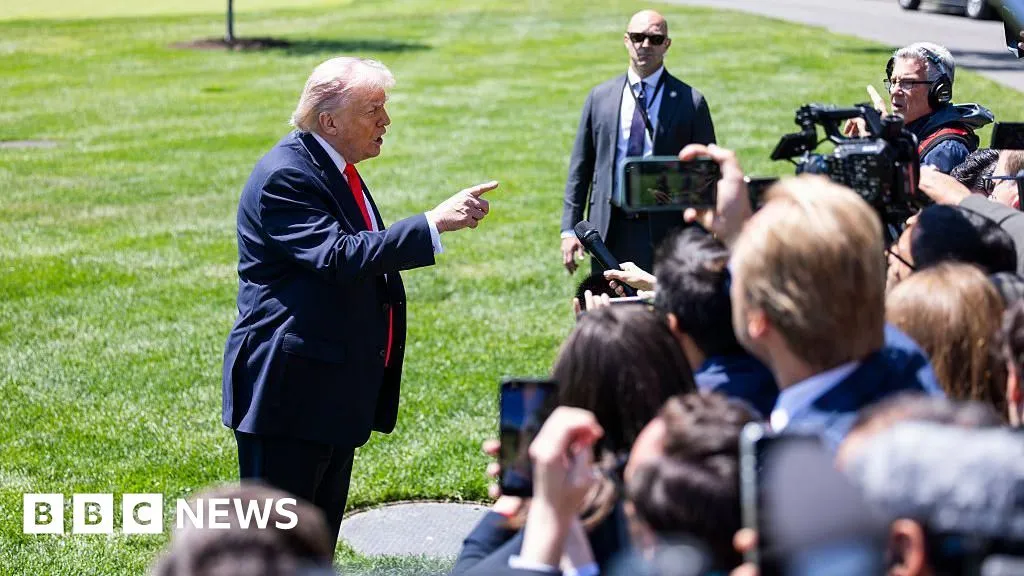
Trump, speaking at a virtual campaign event, conveyed his belief that most Americans comprehend his objective: preventing Iran from advancing its nuclear capabilities. He asserted that recent communications have yielded a positive atmosphere, stating, "We’ve had very good talks with Iran in the last 24 hours... it’s very possible that we’ll make a deal up there." 
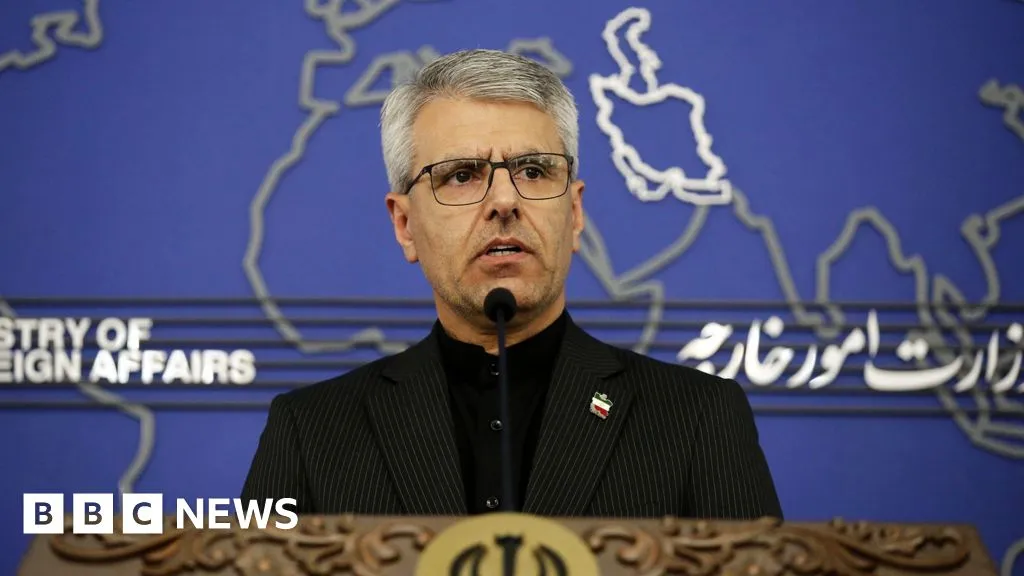
Despite Trump’s optimism, the Iranian response to the proposal has been mixed. A senior Iranian parliamentary member characterized the U.S. offer as a mere "wish list," while Foreign Ministry spokesperson Ismail Baghaei confirmed that Iran is actively considering the U.S. terms before relaying its stance to Pakistani mediators.
Axios, a U.S. news outlet, reports on the content of the proposed memorandum, which includes stipulations such as a halt to Iranian nuclear enrichment and the lifting of sanctions, contingent upon reaching a broader agreement. In the shadows of these negotiations, however, Iran has maintained a combative stance, with parliament spokesperson Ebrahim Rezaei asserting, "The Americans will not gain anything in a war they are losing that they have not gained in face-to-face negotiations."
Adding to the tension, Trump has interjected that failure to agree would lead to escalated military action, stating, "The bombing starts, and it will be, sadly, at a much higher level and intensity than it was before." This dual strategy of negotiation and threat highlights the precarious balance both nations are attempting to navigate.
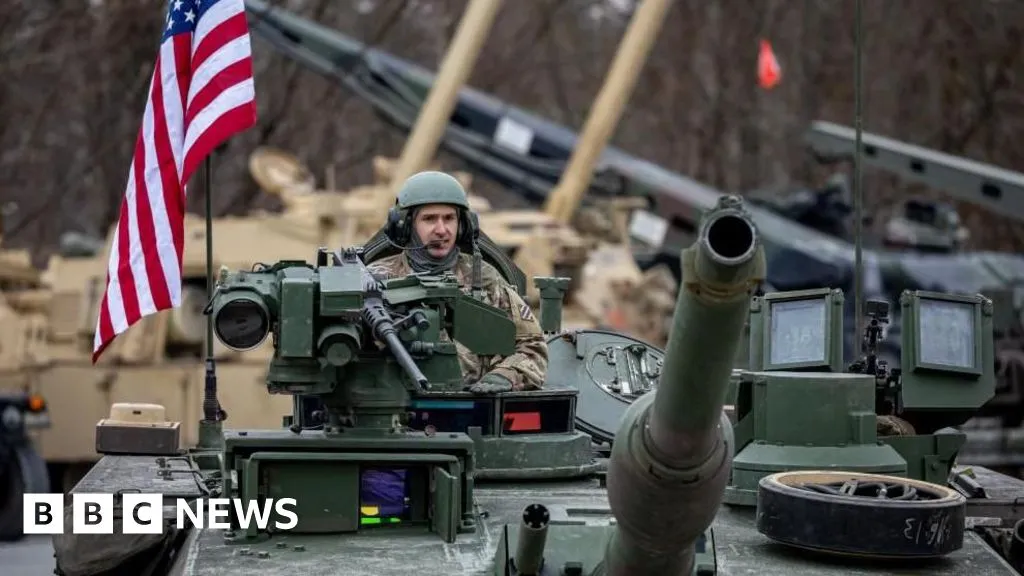
While the Iranian Revolutionary Guard Corps hinted that peaceful conditions could lead to a reopening of the vital Strait of Hormuz, Trump’s announcement to pause a military operation previously intended to secure maritime routes reflects an intricate dance of diplomacy and military readiness.
As tensions ebb and flow, the reality remains that Iran's nuclear ambitions pose a critical juncture in U.S. foreign policy. Whether peace can prevail in the face of aggressive posturing and lofty expectations remains a question that continues to unfold in the Middle East.
Source: BBC News
Source: BBC World News