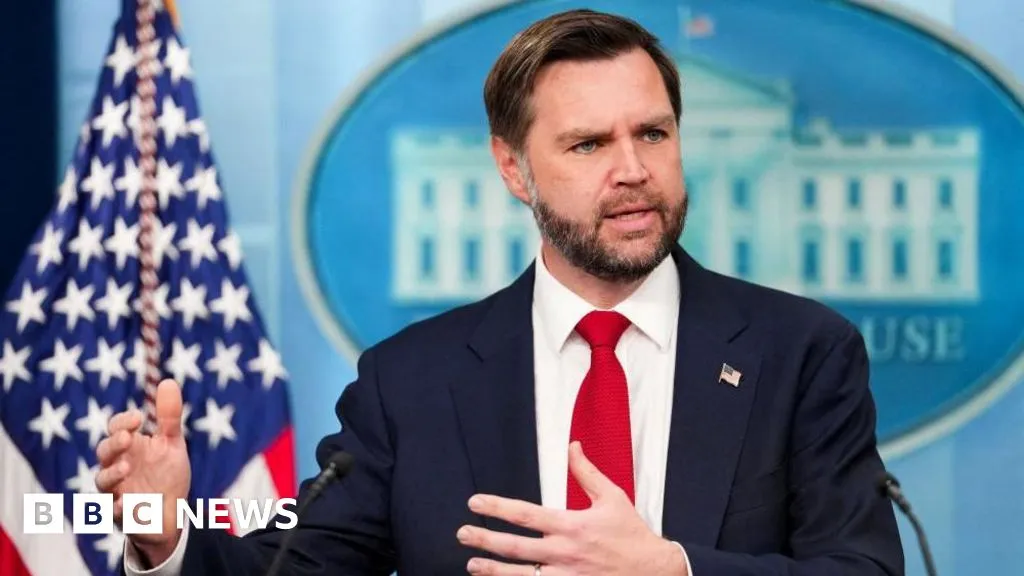
In a significant setback for diplomatic efforts to stabilize the conflict in the Middle East, US Vice President JD Vance has canceled his highly anticipated trip to Switzerland, leading to the postponement of direct negotiations between the United States and Iran. The White House confirmed this late Thursday, stating that the logistics surrounding the talks had proven to be 'not simple or predictable.'
This development follows closely on the heels of a landmark agreement reached earlier in the week to halt hostilities, which included the lifting of the US naval blockade on Iran. While the broad outlines of this deal, aimed at instigating a ceasefire and addressing issues related to Iran's nuclear program, were celebrated, the recent escalation of violence in the region has cast a shadow on its implementation.
Hezbollah-linked media outlets reported on the same day that the talks would be suspended due to ongoing Israeli airstrikes in southern Lebanon, complicating the situation further. The Israeli military, targeting the Iran-backed group Hezbollah, confirmed it had carried out operations in the region, resulting in the deaths of at least 18 individuals. This has led to counter-responses, with Israeli claims that four of its soldiers were killed by Hezbollah attacks.
Details of the Agreement
The negotiations were initially scheduled for technical discussions regarding the Memorandum of Understanding signed this week, which stipulates conditions for peace and a comprehensive approach to tackling long-term issues, including Iran's nuclear ambitions. Centered around 14 pivotal points, the agreement includes provisions for the reopening of the Strait of Hormuz, a commitment from Iran not to pursue nuclear weapons, and a $300 billion reconstruction plan for Iran, alongside the lifting of various US sanctions.
As tensions escalate, Iran's Supreme Leader Mojtaba Khamenei publicly acknowledged his approval of the agreement, albeit with caveats about its implications. He indicated that while future in-person negotiations are anticipated, this would not signify an acceptance of adversarial positions. President Trump has expressed hope for a ceasefire across all fronts, encompassing conflicts involving Israel and Hezbollah, as outlined in the agreement.
The Escalating Violence
The ongoing airstrikes and military exchanges between Israel and Hezbollah have complicated the diplomatic landscape. The strikes on Lebanese soil have been described by local media as some of the most intense of the ongoing conflict, leading to widespread concern over humanitarian implications. In a particularly inflammatory statement, Israel's National Security Minister Itamar Ben-Gvir declared, 'all of Lebanon must burn,' asserting that Israeli security must remain uncompromised amid ongoing negotiations.
Vance's critiques of certain Israeli cabinet members’ reactions to the diplomatic developments reflect the heightened tensions surrounding these negotiations. As security forces were deployed to monitor the anticipated talks at a high-altitude Swiss resort overlooking Lake Lucerne, the prospect of a resolution appears as fraught as ever.
As the world watches, both the United States and Iran seek a path forward—even as the specter of renewed violence looms large over the fragile peace.
Source: BBC News
Source: BBC World News