The Democratic Republic of Congo (DRC) is grappling with a severe Ebola outbreak, prompting the World Health Organization (WHO) to declare a public health emergency of international concern. This outbreak, caused by the rare Bundibugyo strain, poses significant challenges due to its complexity and the ongoing conflict in the region.
Ebola is a viral hemorrhagic fever known for its high mortality rates and swift onset of symptoms. Typically originating from animal hosts like fruit bats, the virus infects humans who come into contact with contaminated bodily fluids. Symptoms can range from fever and fatigue to severe vomiting and bleeding, often leading to organ failure. Unfortunately, the Bundibugyo species has not been seen in over a decade, complicating current efforts to curb the epidemic.
Why This Outbreak Is Different
Unlike previous strains, the Bundibugyo Ebola virus lacks an approved vaccine and relies heavily on experimental treatments that are still in development. Initial detection efforts faced setbacks, as routine blood tests failed to identify the virus due to its rarity. With no established therapeutic drugs targeting this strain, health officials are in a race against time to find effective treatments.
The increasing difficulty in containing the outbreak is underscored by its emergence in a region plagued by armed conflict, leading to mass displacements. Approximately 250,000 individuals have been forced from their homes, with many traversing porous borders, heightening the risk of cross-border transmission.
The Initial Case and Subsequent Spread
The outbreak can be traced back to late April, beginning with a nurse who displayed symptoms, ultimately succumbing to the disease in Bunia, the capital of Ituri province. Tragically, the fast spread of the virus was exacerbated by traditional funeral customs, where numerous attendees were exposed to the nurse's body. This delay in reporting due to community misconceptions regarding the disease as a form of 'witchcraft' hindered early containment efforts, as individuals sought treatment from unqualified healers, further facilitating the virus's transmission.
Cases have been reported in Mongwalu, Rwampara, and the major city of Goma, which is under rebel control. A confirmed case in Goma involved a woman who traveled after her husband's death from Ebola in Bunia, demonstrating the virus’s potential for rapid spread. Additionally, two cases have emerged in Uganda among Congolese nationals recently transitioned across the border.
Global Response Efforts
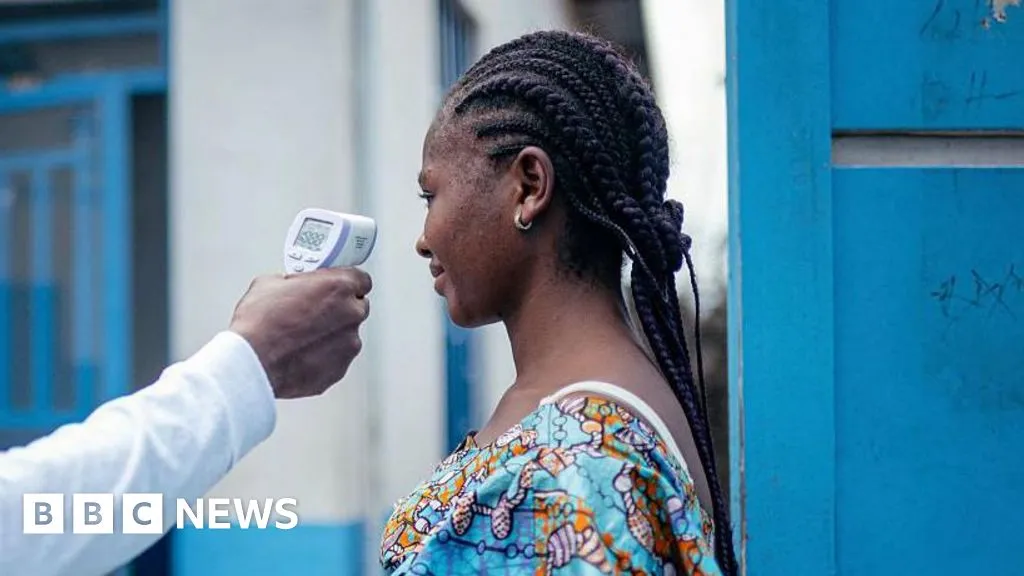
In response, the DRC government, alongside WHO and Médecins Sans Frontières (MSF), has deployed health teams equipped with protective gear to the outbreak's epicenter. They are establishing treatment centers and implementing robust community engagement initiatives, including hygiene education and symptom reporting systems, reachable through a dedicated toll-free number.

Safi Erneste on Pexels' alt='Ebola Response in DR Congo'>
As health authorities work tirelessly to contain the outbreak within the DRC, the WHO stresses that while the situation is alarming, the broader risk outside the region remains low. Experts continue to monitor developments closely while stressing the importance of awareness and proper hygiene practices to limit the disease’s spread.
Source: BBC World News