Amid ongoing discussions aimed at restoring peace in the region, Iran has sharply condemned recent US airstrikes as a "gross violation" of the fragile ceasefire established just weeks earlier. The strikes targeted alleged missile sites and small naval vessels in southern Iran, coinciding with critical peace negotiations between Iranian and Qatari officials in Doha.
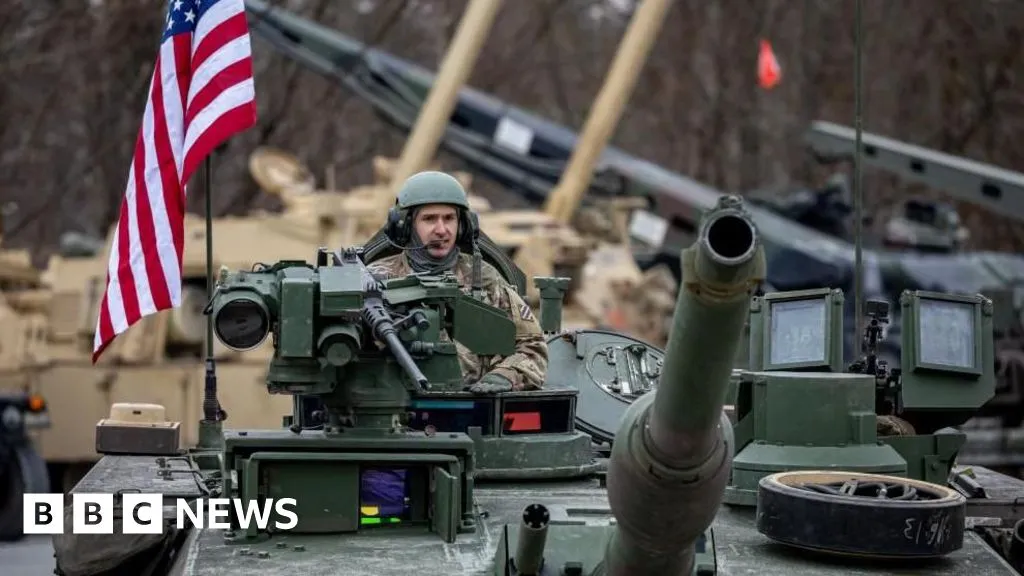
The US Central Command (Centcom) defended its actions as necessary self-defense measures, aimed at neutralizing threats posed by Iranian forces. A spokesperson highlighted the strikes, described as targeting military assets near Bandar Abbas—home to a major Iranian naval base and a pivotal point along the Strait of Hormuz, a crucial maritime corridor for global energy supplies.
In a statement, Iran's foreign ministry characterized the US actions as unjust and aggressive, affirming that Washington would bear responsibility for the escalating tensions. "Without a doubt, the Islamic Republic of Iran will not leave any evil unanswered and will not hesitate to defend the Iranian nation," the ministry asserted, signaling a stern warning to any further military actions.
This military engagement marks a significant escalation since the onset of hostilities in late February, which saw a wave of deadly exchanges, including the assassination of a high-ranking Iranian leader. While a ceasefire was agreed upon on April 8, interruptions have occurred, including a notable clash in May, leading to increasing concerns regarding the sustainability of this fragile peace.
Reports from Iranian state media indicated explosions near Bandar Abbas, prompting local authorities to investigate the incidents. Additionally, the Islamic Revolutionary Guard Corps (IRGC) claimed responsibility for downing a US drone and attempting to engage a fighter jet that allegedly entered Iranian airspace.
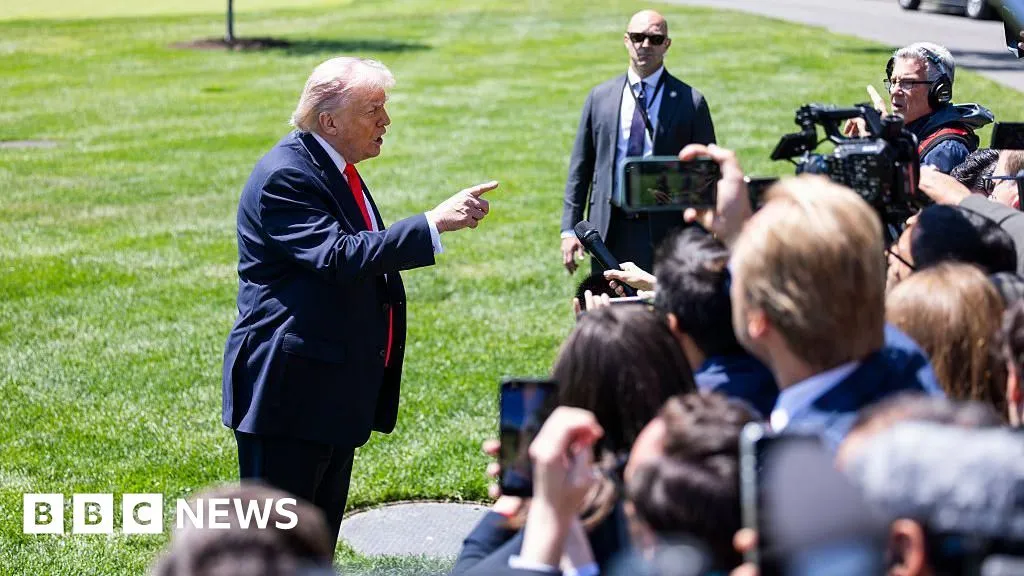
As peace negotiations remain ongoing, US Secretary of State Marco Rubio hinted that an agreement might be within reach but emphasized that patience would be required over the ensuing days. President Trump had initially signaled an optimistic near agreement, only to later recommend that negotiators refrain from rushing into a deal.
Speculation suggests that any forthcoming memorandum of understanding might encompass a 60-day ceasefire extension, the potential reopening of the Strait of Hormuz, and an outline for further discussions regarding Iran’s nuclear program. However, the release of valuable frozen Iranian assets held abroad remains a contentious point in talks.
The negotiations, primarily mediated by Pakistan, took a critical turn this week in Doha, where discussions hinged on Iran's stockpile of highly enriched uranium—a point of contention as Western nations continue to express concerns over Iran's potential military ambitions.
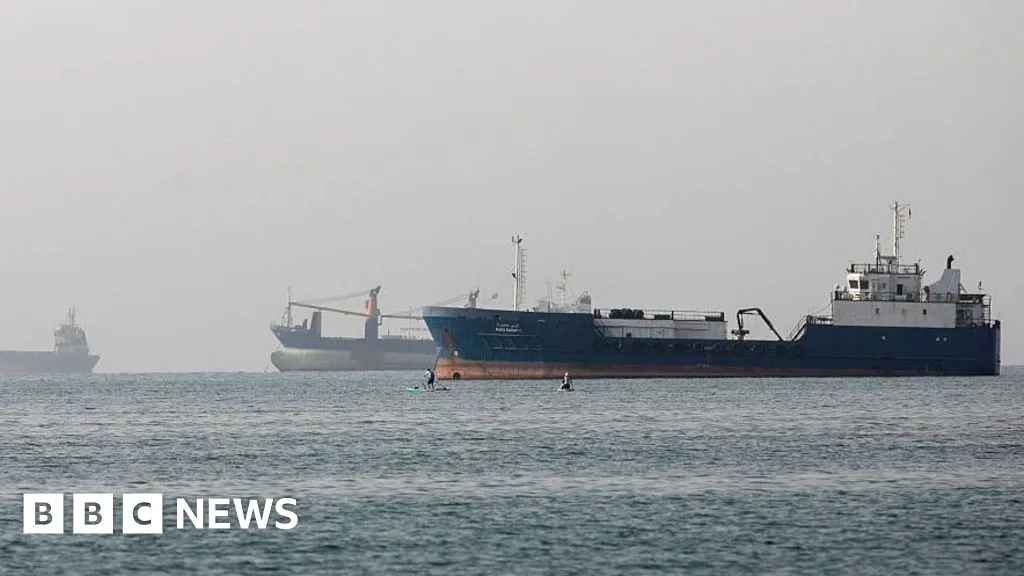
The geopolitical stakes remain high, with Iran effectively blocking the passage of shipping through this vital corridor since the conflict's escalation, influencing global oil prices and heightening regional tensions. As the world watches, the potential for both diplomatic resolution and further conflict hangs precariously in the balance.
For detailed coverage, visit the BBC News site.
Source: BBC World News