Despite glimmers of hope in diplomatic discussions, Iran has dampened expectations regarding a potential agreement with the United States. Foreign ministry spokesman Esmail Baqai declared on Monday that, while progress had been made in negotiations, a deal remains far from imminent.
Baqar's comments followed US Secretary of State Marco Rubio’s indication earlier that a breakthrough could occur within days. "It is correct to say that we have reached a conclusion on a large portion of the issues under discussion," Baqai stated from Tehran. However, he firmly added, “But to say that this means the signing of an agreement is imminent – no one can make such a claim.”
The talks reportedly have centered around a memorandum of understanding involving a 60-day extension of a ceasefire, the reopening of the vital Strait of Hormuz, and further negotiations concerning Iran's nuclear ambitions. Notably, the Crucial Strait serves as a pivotal conduit through which approximately 20% of global oil and liquefied natural gas is transported, and its recent blockage by Iran heightened anxieties that sent oil prices surging.
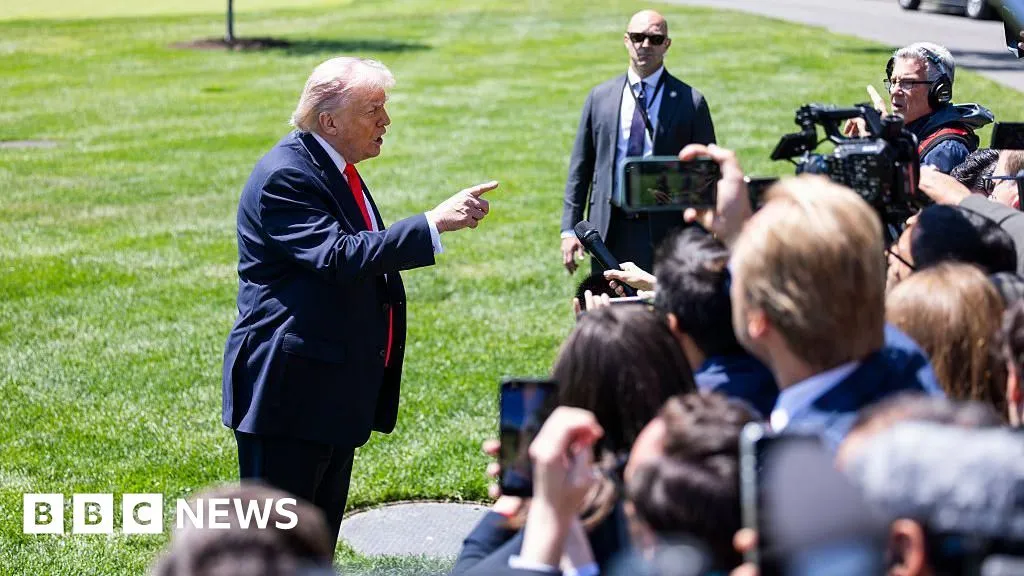
On the diplomatic front, President Donald Trump hinted over the weekend at a potential deal, urging negotiators to avoid rushing the process. While he expressed optimism, Rubio later cautioned the media in New Delhi that, “It takes a little while to hear back from Iran,” indicating an understanding of the complexities involved.
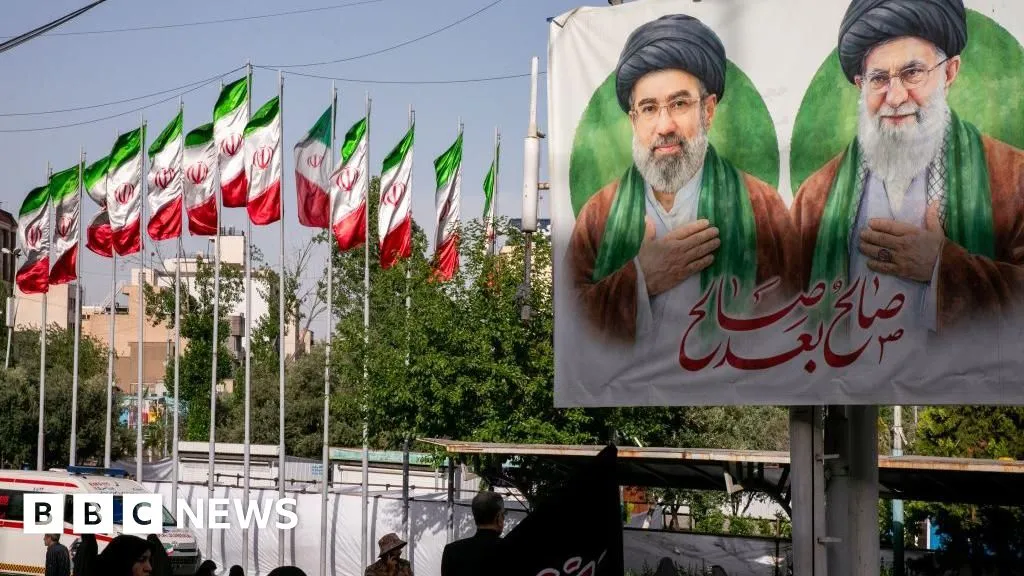
The backdrop of these talks involves significant tension, with U.S. intelligence suggesting that Iran's Supreme Leader Mojtaba Khamenei, injured in a recent Israeli strike that also claimed his predecessor's life, is currently in a location that complicates communication between him and his negotiators.
Potential terms of the reported deal remain contentious, involving critical issues such as the timing and scope of sanctions relief, the release of frozen Iranian assets, and U.S. demands for Iran to rein in its nuclear program.  Quang Vuong on Pexels' alt='Diplomatic discussions'>
While Rubio emphasized a cautious optimism regarding a possible agreement, Republican sentiments regarding the deal remain divided. Some figures within the party have voiced concerns that the proposed ceasefire could undermine the gains made during intensified military operations.
Senator Ted Cruz labeled it a "disastrous mistake," while others, such as Senator Lindsey Graham, questioned the rationale behind the war if Iran is allowed to emerge from negotiations as a dominant regional force. Trump, responding to criticism, dismissed dissenters as "losers" and reiterated his belief that any agreement would either be "great and meaningful" or not realized at all.
Even if negotiations bear fruit soon, experts caution that any stabilization in the shipping industry could take time to materialize fully. Lars Jensen, chief executive of Vespucci Maritime, noted that substantial shifts within supply chains could still require months to recover to pre-crisis conditions.
This wave of negotiations follows a period of escalating conflict, marked by widespread military strikes in February 2026 by the U.S. and Israel against Iran, and retaliatory actions by Iran targeting U.S. allies. Such actions have significantly impacted global oil prices and heightened geopolitical tensions.
In a stark reminder of Iran's contentious relationship with nuclear capability, Trump insisted on his social media platform that Tehran must ensure it does not develop nuclear weapons. Consequently, reports suggest the potential for Iran to eventually surrender its highly enriched uranium as part of a comprehensive settlement, an effort aimed at allaying international fears about nuclear proliferation.
The road ahead appears fraught with challenges and uncertainty as diplomatic overtures continue against a backdrop of regional volatility.
Source: BBC News
Source: BBC World News