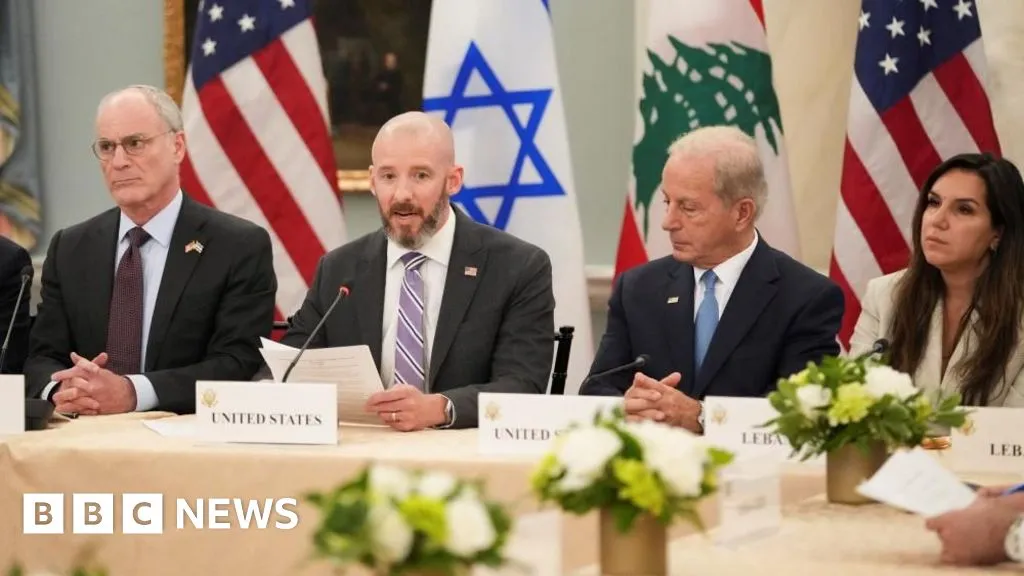
In a significant development amid escalating regional tensions, Israel and Lebanon have reached a tentative ceasefire agreement, contingent on a complete halt to attacks by Hezbollah, the Iran-backed militant group. This agreement was announced by the US State Department, highlighting a pivotal moment in the ongoing conflict that has ravaged the region.
The ceasefire comes on the heels of renewed violence, with recent Israeli airstrikes in southern Lebanon claiming the lives of at least nine individuals, including two paramedics. In response, Hezbollah launched rockets into northern Israel, testing a fragile truce that had previously been established in April.
A statement from the US emphasized the urgent need for both nations to affirm that the future of their relationship is solely in the hands of their sovereign governments. It denounced any external attempts—whether from state or non-state actors—to jeopardize Lebanon’s autonomy, underscoring the delicate political dynamics at play.
As part of the agreement, Israel demands the complete evacuation of Hezbollah operatives from areas under its control, specifically those stretching from the Litani River to the border. Additionally, the US plans to facilitate the establishment of “pilot zones” in which the Lebanese Armed Forces will exercise exclusive territorial control, effectively sidelining non-state actors.
Scheduled discussions are set for June 22, aiming to further solidify a comprehensive peace accord. However, Hezbollah has not yet publicly responded to this latest announcement. US Secretary of State Marco Rubio expressed optimism about reaching an actionable security roadmap for Lebanon, independent of Hezbollah.
This ceasefire arrangement follows a partial agreement reached earlier this week, where Lebanon stated that Israel would refrain from bombing Beirut in exchange for Hezbollah's restraint from cross-border attacks. Nonetheless, this agreement's stability is already in question, as attacks from both sides have continued to escalate.
Lebanon’s health ministry reported that among those killed in the recent strikes were two paramedics who were tragically caught in the crossfire while responding to emergency calls. In retaliation, Israel claimed to have intercepted a drone and projectiles from Hezbollah, further complicating the fragile ceasefire.
Meanwhile, statements from Israeli officials indicated a readiness to intensify military operations should Hezbollah maintain its aggressive posture against northern Israeli communities. According to the Lebanese government, the earlier partial ceasefire was characterized by an unspoken agreement not to launch broad offensives against Beirut.
Hezbollah, however, expressed skepticism regarding the negotiations, with a representative stating that the group does not recognize the legitimacy of the discussions or their outcomes. “We think these negotiations do not concern us, nor do we recognize their findings or decisions,” said Mahmoud Qamati, a member of Hezbollah’s political council.
As the regional landscape remains fraught with tension following Hezbollah's missile retaliation for an Israeli strike that killed Iran's supreme leader earlier this year, the humanitarian toll has been devastating. The Lebanese health ministry estimates over 3,500 casualties, alongside more than one million people displaced across the country due to ongoing hostilities, which have left over an eighth of Lebanon under Israeli evacuation orders.
As both sides prepare for further dialogue, the international community watches closely, aware that the stability of Lebanon—and potentially the broader region—hinges on the fragile agreements being brokered.
Source: BBC News
Source: BBC World News