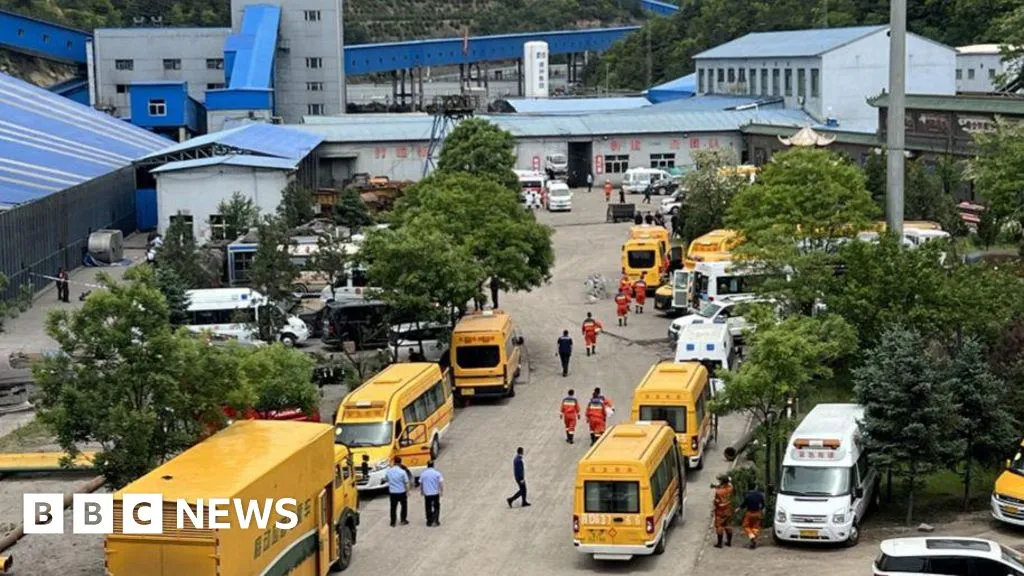
In a devastating incident that has shaken China's mining industry, a gas explosion at the Liushenyu Coal Mine in Shanxi province has resulted in the deaths of at least 82 miners, making it the country's worst mining disaster in over a decade. The explosion, which occurred on Friday evening at approximately 19:29 local time, initially reported a higher death toll, but officials subsequently updated the figure following rescue operations.
At the time of the blast, 247 workers were on duty, and more than 100 individuals have since been rescued. The scale of the disaster has prompted immediate responses from national authorities, including Chinese President Xi Jinping, who stressed the need for thorough medical care for the injured and a diligent search for any remaining survivors.
The state council has pledged to conduct a comprehensive investigation into the incident, promising severe repercussions for those found responsible. This commitment follows apologies from officials regarding earlier discrepancies in casualty figures, attributed to initial chaos and an inaccurate headcount.
As many as 128 individuals have been hospitalized, with reports indicating that two patients are in critical condition. Witness accounts have revealed harrowing details of the disaster. Wang Yong, one of the miners who survived, remarked on the sudden onset of the explosion, describing a cloud of smoke and toxic gases that forced him and his colleagues to flee for their lives. "I smelled sulphur, the same smell you get from blasting. I shouted at people to run. As we were running, I could see people collapsing from the fumes," he recounted, adding that he lost consciousness while trying to escape.
Chinese state media has indicated that certain members of the mine's management team have been detained for questioning. Investigations into the cause of the explosion are still underway, but preliminary assessments suggest that carbon monoxide levels—an odorless and highly toxic gas—were found to be above safety limits in the mine.
Rescue operations have faced significant challenges. Teams, including 345 personnel dispatched by China's Ministry of Emergency Management, have struggled to navigate water accumulation in the mine, complicating access. Additionally, discrepancies between mine blueprints and actual conditions have resulted in further hindrances to rescuers.
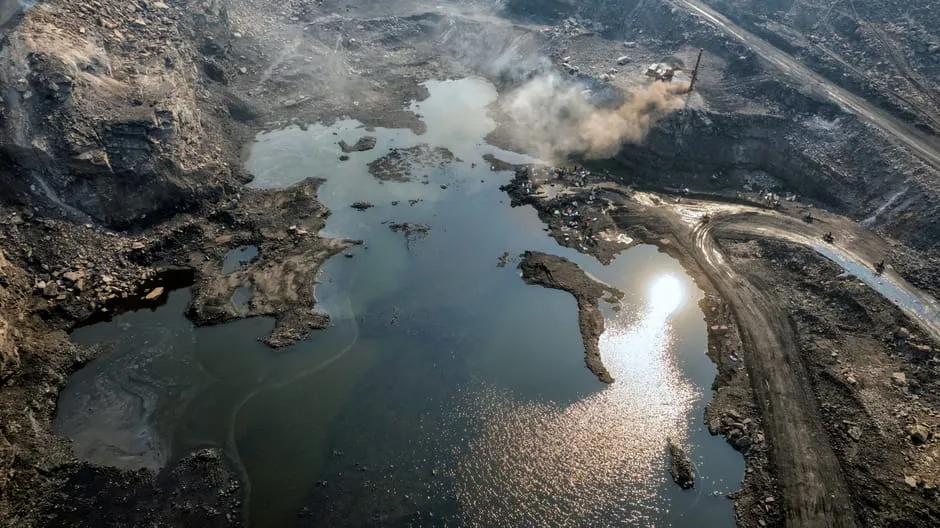
Historically, the Liushenyu mine was flagged as posing "severe safety hazards" by the Chinese National Mine Safety Administration in 2024 and had faced penalties in 2025 for safety violations. Shanxi province itself is known for its substantial contribution to China’s coal production, accounting for over a quarter of the national output. However, this unfortunate event starkly highlights the pervasive safety issues that continue to plague the coal mining sector.
The tragedy serves as a grim reminder of the dark history of coal mining in China, where safety regulations have tightened in the wake of past catastrophes, yet deadly incidents remain alarmingly common. In 2023, a collapse in Inner Mongolia claimed 53 lives, while a 2009 explosion in Heilongjiang resulted in over 100 fatalities. As the world’s largest consumer of coal and leading greenhouse gas emitter, China faces significant scrutiny, despite its ongoing commitment to expand renewable energy capabilities.
This incident follows visits from notable global leaders, including US President Donald Trump and Russian President Vladimir Putin, underscoring the juxtaposition of international engagement against the backdrop of domestic tragedies.
For updates on this story, follow the developments as rescue efforts continue and investigations unfold.
Source: BBC World News