In a significant development, US and Iranian officials have reportedly carved out a tentative framework to extend their current ceasefire for an additional 60 days. This breakthrough paves the way for potential negotiations regarding Iran's contentious nuclear program, but the agreement waits patiently for formal approval from both President Trump and Tehran's leadership.
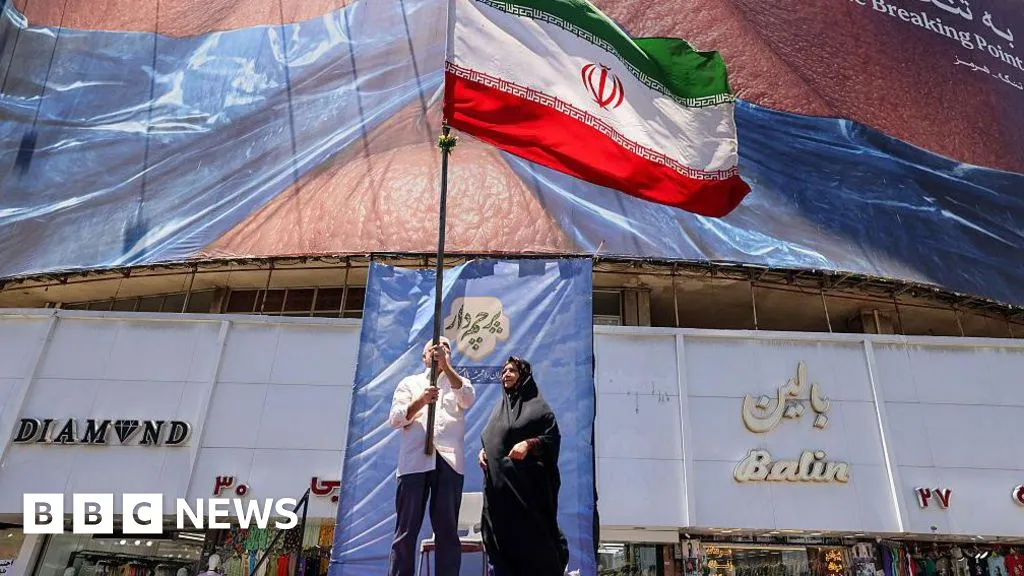
However, conflicting narratives have emerged from Tehran. Iran's semi-official news agency, Tasnim, cited sources suggesting that the deal has yet to be finalized or validated, casting shadows over the optimism expressed by US diplomats. Both Washington and Tehran have accused each other of breaching the precarious ceasefire, leading to heightened tensions in the region.

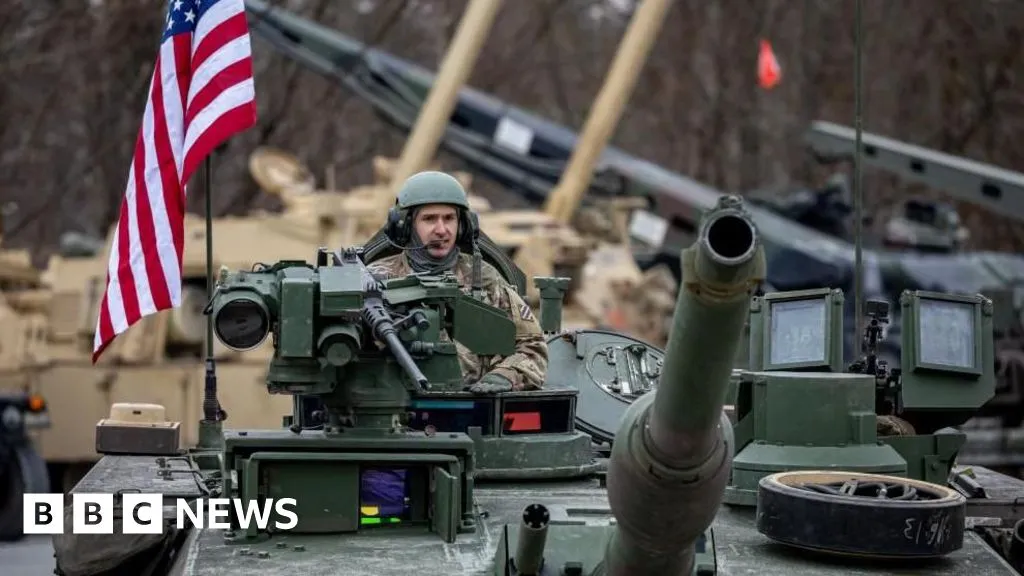
The Islamic Revolutionary Guard Corps (IRGC) of Iran disclosed that it targeted a US military base in the region on Thursday, a move that followed fresh US strikes on southern Iran. This back-and-forth has raised concerns about the viability of ongoing talks aimed at securing a lasting peace.
On Wednesday, Iranian state media hinted at details of an unofficial 14-point memorandum of understanding (MOU) between the two nations. Reports suggested provisions for lifting the US naval blockade of Iranian ports, withdrawing American forces from Iran's vicinity, and restoring non-military maritime traffic through the strategically crucial Strait of Hormuz. This waterway, through which a fifth of the world’s liquefied natural gas and oil flows, has seen its significance rise amid ongoing global fuel trade disruption.
Meanwhile, the White House dismissed these assertions, labeling the MOU draft a “complete fabrication.” Despite the lack of a concrete agreement, President Trump has maintained that negotiations are progressing and that the two sides are nearing some resolution. However, talks that took place in Islamabad shortly after the initial ceasefire on April 8 failed to yield substantive outcomes.
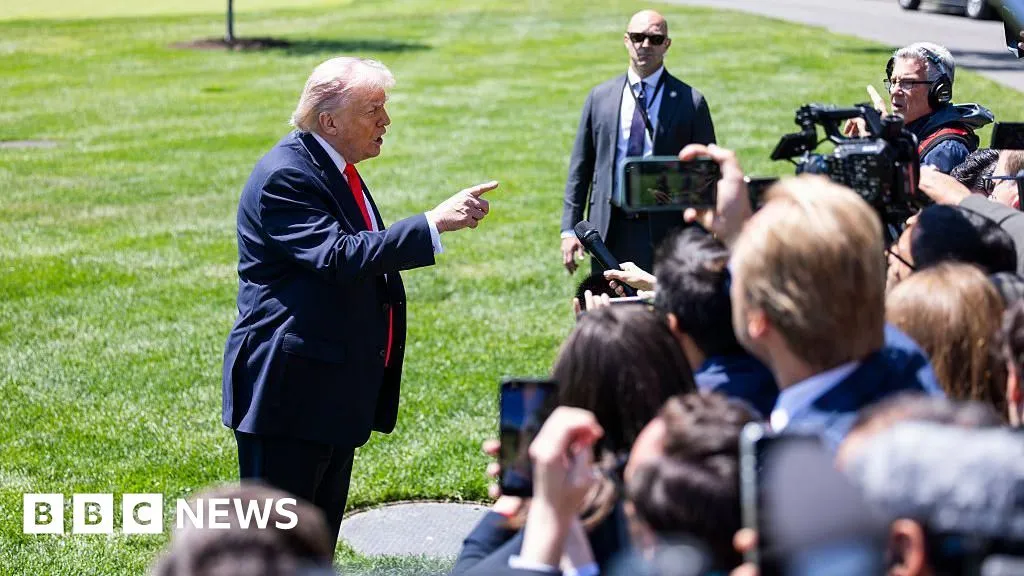
Recent statements from Trump add to the tension. Just a week ago, he indicated he was moments away from ordering renewed military strikes against Iran but ultimately refrained at the insistence of US allies. During a cabinet meeting this week, Trump confirmed ongoing discussions but noted that the Iranian proposals still require further refinement.
As negotiations unfold, it remains uncertain whether President Trump will endorse the proposed ceasefire extension. Should he move forward, it would allow both nations to delve into the more intricate and technical issues tied to Iran's nuclear ambitions, including its stockpile of highly enriched uranium. Notably, Trump hinted at possibilities where the US could either seize this stockpile or dilute it in a neutral location alongside Iran.
Axios, the outlet that first reported the tentative agreement, noted that Trump was briefed on the proposal but had not signed off on it, implying that a wait of several days could be expected. The confirmation of the agreement's contours by US sources is noteworthy and suggests that both parties may be inching closer to a more concrete deal than at any point since the ceasefire began.
Preliminary reports indicate that the proposed deal could enable 'unrestricted' maritime passage through the Strait of Hormuz, placing the responsibility on Iran to eliminate mines from this vital shipping route within a set timeframe. Additionally, the US would lift its blockade and issue sanctions waivers permitting Iran to resume its oil sales.
In the latest White House briefing, Treasury Secretary Scott Bessent cautioned against premature conclusions, asserting that it remains essential to await the president's decision. He added, 'We’ve got to get to the deal before we get to the other side.'
As the world watches closely, the possibility of durable peace between these two nations hangs in the balance.
Source: BBC World News