The World Health Organization (WHO) has officially declared an Ebola outbreak in the eastern region of the Democratic Republic of Congo a public health emergency of international concern. As the region grapples with a rising crisis, approximately 246 suspected cases and a grim toll of 80 deaths have been reported, underscoring the potentially devastating impact on both local and regional communities.
Despite the alarming statistics, the agency noted that this outbreak does not qualify as a pandemic emergency. Nonetheless, WHO officials warn of a looming threat, indicating that the spread of the virus could escalate and that significant risks exist of further transmission across borders.
The current outbreak is traced to the Bundibugyo strain of the Ebola virus, which lacks any approved vaccines or treatments. Initial symptoms, including fever, muscle pain, fatigue, and headaches, can rapidly progress to severe manifestations such as vomiting, diarrhea, and even bleeding. With eight laboratory-confirmed cases now identified throughout various health zones—particularly in Bunia, the capital of Ituri province, and surrounding gold-mining towns—the situation remains precarious.
Moreover, the virus has already breached the DR Congo's borders, with two confirmed cases reported in neighboring Uganda. The Ugandan government has announced that a 59-year-old Congolese citizen, who succumbed to the illness last Thursday, tested positive for the virus prior to his death. In addition, Goma, a city in eastern DR Congo currently under the control of M23 rebel forces, is also grappling with confirmed cases.
As fears mount over the outbreak’s ramifications, WHO Director-General Dr. Tedros Adhanom Ghebreyesus emphasized the vast uncertainties surrounding the true extent of infections and the geography of their spread. "The situation is especially worrisome given ongoing security challenges and humanitarian crises in the region, as well as high population mobility in urban areas," he stated.
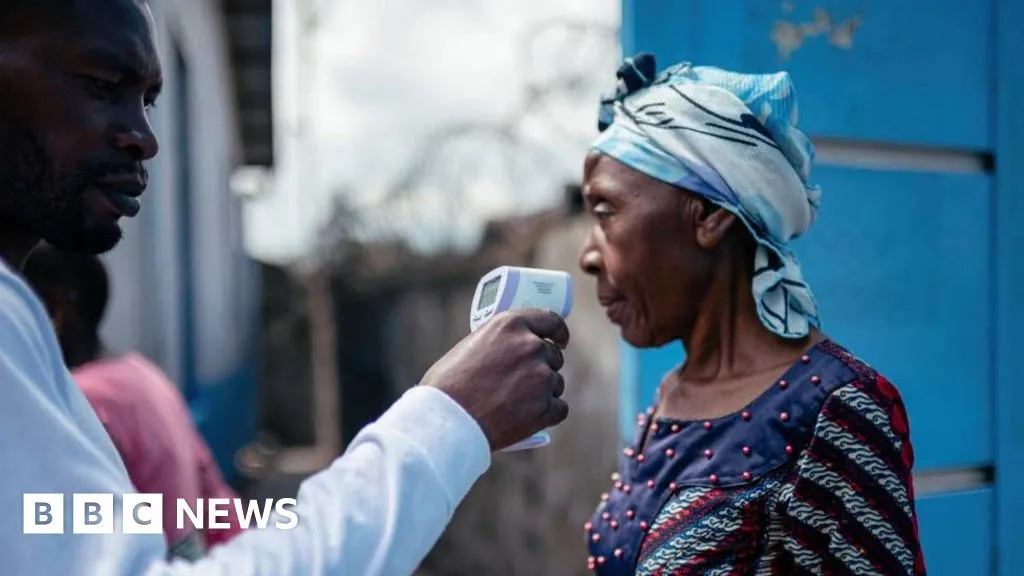
To combat the outbreak, the WHO has urged both DR Congo and Uganda to establish emergency operation centers focused on monitoring, contact tracing, and implementing infection-prevention measures. The organization recommends that confirmed cases be isolated and treated until they test negative for the virus on two separate occasions, conducted at least 48 hours apart.
In light of the situation, countries bordering DR Congo are advised to ramp up surveillance and health reporting protocols. However, the WHO has cautioned against closing borders or imposing travel restrictions; such measures, they argue, lack scientific backing and often exacerbate the problem.
Ebola outbreaks, albeit rare, remain a severe public health threat, with a historical fatality rate ranging between 30% to 50%. This current outbreak marks the 17th encounter with the virus within DR Congo since its discovery in 1976, which is believed to have originated from fruit bats.
With the risk of further spread present, international health authorities are on high alert, prepared to monitor and respond to an evolving public health crisis.
Source: BBC World News